
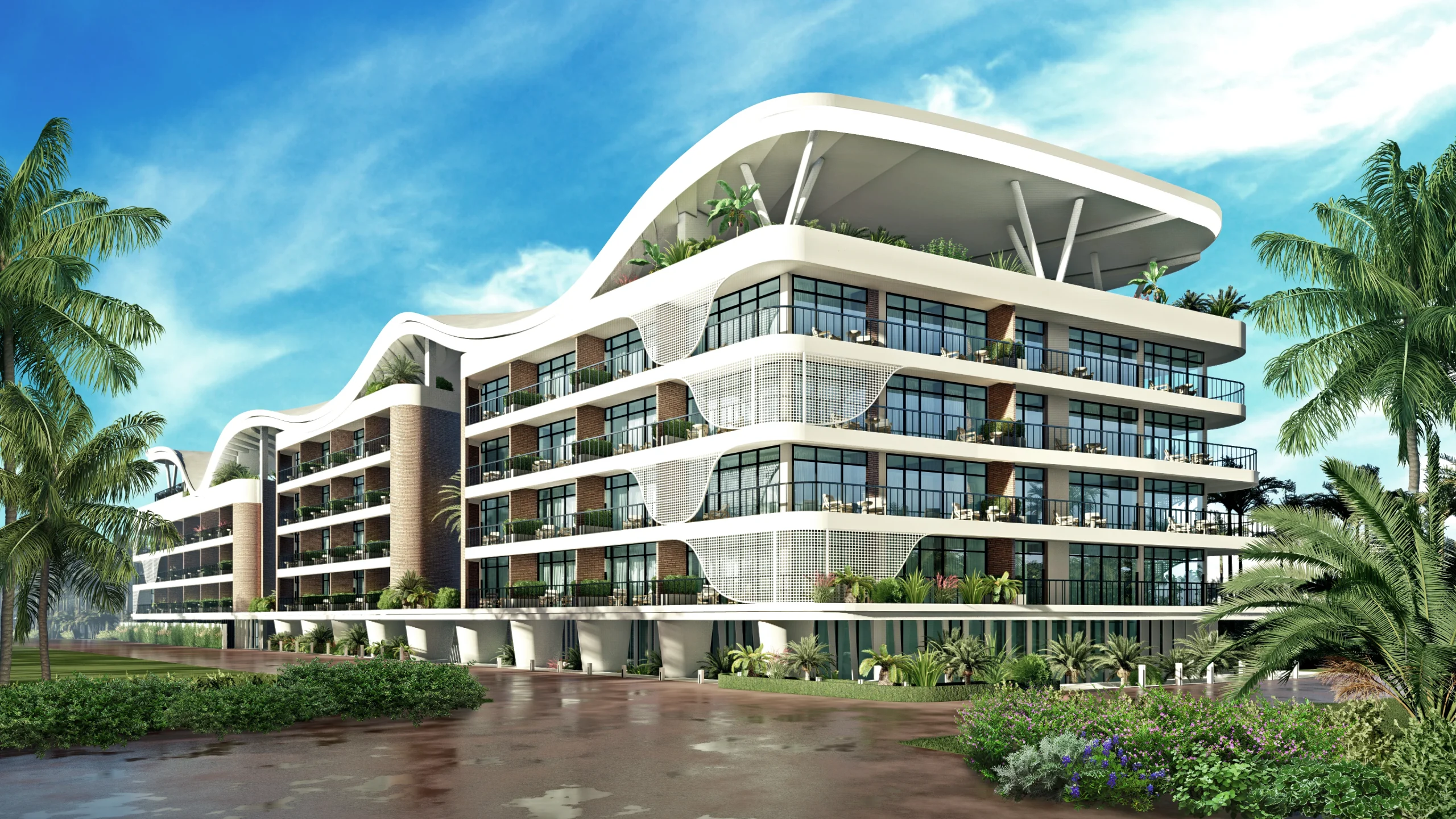
Bali remains one of the most attractive real estate investment destinations in Southeast Asia. As the market grows, so does the number of unscrupulous players offering projects "on paper," without actual land, licenses, or financial collateral. For investors, developer due diligence has become a mandatory procedure, not just a recommendation.
Before making an investment decision, learn how to choose a property in Bali.
Why is there a crisis of confidence in developers in the Bali market?
Recent years have demonstrated a paradox: demand for villas and apartments is growing, while the share of successfully completed projects is declining. This is due to the low barrier to entry, allowing small studios and random entrepreneurs to launch ambitious projects without any real construction experience or legally secured land. The market has become flooded with offers requiring minimal investment and attractive renderings, often lacking any actual construction process.
The boom in "paper" projects and the purchase of renders without land
«A "paper" project has clear characteristics: a high-quality website, professional visualizations, active sales, and the absence of a physical building. The scheme is built on the money of the first buyers, with which the developer attempts to acquire land and begin work.
The risks of purchasing real estate in Bali using this model are obvious: years of delays, design changes, deterioration in the quality of materials, or a complete freeze on construction. An investor who invests at the rendering stage is left alone to face the legal challenges of recovering their money in a foreign jurisdiction.

Security Checklist: 5 Steps to Verify a Developer in Indonesia
A developer's analysis must be systematic. An emotional reaction to a "beautiful project" is the main cause of capital loss.
- Land status: pure legal scheme and Leasehold/Freehold
The first document you should see is the land title deed. Foreigners in Indonesia primarily have access to leasehold (long-term leases with the option to extend) and PMA-based schemes for obtaining a HGB.
Understanding leasehold vs. freehold in Bali is critical: Freehold (Hak Milik) is closed to non-residents, so promises of "full ownership" to a foreign buyer should raise questions. Verify the deed with a notary (Notaris/PPAT) and check the RTRW zoning. - Availability of construction permits (PBG/SLF)
Key documents are the PBG (Persetujuan Bangunan Gedung, replacing the IMB building permit) and the SLF (Sertifikat Laik Fungsi, certificate of occupancy). A project without a PBG is not allowed to begin work. Evasive responses like "the documents are in process" are a red flag. - Real equipment on site vs. 3D visualizations
Before making any payment, visit the site in person or order independent video surveillance. An active site has specific markers—fencing, workers, equipment, materials, contractor trailer, and a sign with permit details. A request for a 30-50% down payment on an empty lot means you're financing the purchase of land, not your own villa. - Legal history and portfolio of completed projects
A reliable developer has at least two or three completed projects. Ask for addresses, speak with the actual owners, and check the legal entity through the AHU Online registry. A company without any completed projects cannot be a partner for a six-figure investment. - Financial guarantees and payment structure
The transparent scheme links tranches to construction stages (foundation, frame, roof, finishing, handover), specifies late payment penalties, and allows for the use of an escrow account. Payment "all at once" is a model that protects the developer, not the investor.
ANTA Group Standards: How International Hotel Chains Verify Developers
Working under the operational management of an international hotel brand changes the very philosophy of control. Before signing a franchise or management contract, the hotel operator conducts its own due diligence: analyzing engineering documentation, contractors, the financial model, insurance policies, and compliance with the brand's technical standards.
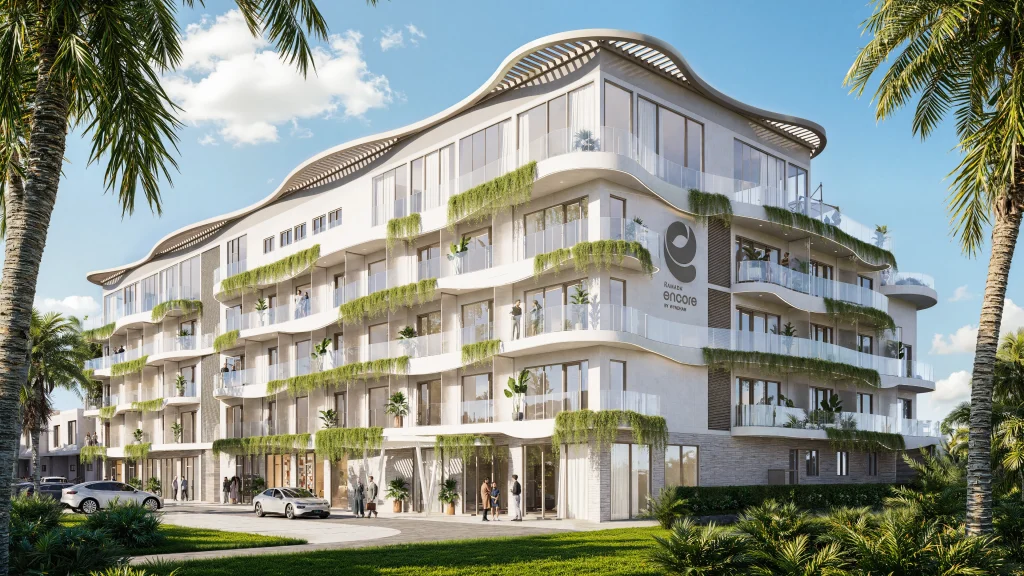
For private investors, this creates an additional level of protection. A project audited by an international operator confirms its legal and construction framework even before sales begin. ANTA Group's construction supervision combines internal technical monitoring with independent audits by operators and partner banks, minimizing the likelihood of delays and project deviations.
How to insure your investments during the construction stage?
Investing in Bali real estate can generate a stable income if you choose your partner wisely. The key rules are simple: inspect the land, request PBG and SLF, visit the site, analyze the developer's portfolio, and insist on staged payments.
An additional insurance layer is working with a developer whose properties are audited by international hotel chains. This approach reduces risks to a level comparable to developed markets and turns a purchase in Bali into a predictable capital diversification tool.