
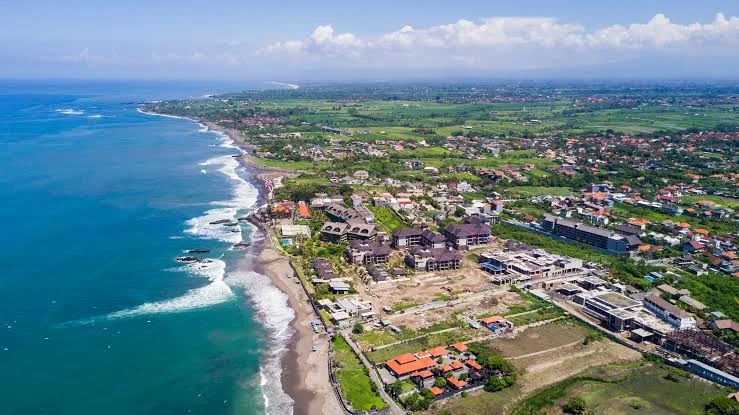
Bali began 2026 as the world's #1 destination according to Tripadvisor Travelers' Choice Best of the Best. The latest figures confirm this: in 2025, the island welcomed approximately 6.9-7 million international tourists, an increase of 9.7% compared to the previous year. The increase in travelers was reflected in hotel and villa occupancy rates, with the island-wide average rising from 47.2% in January to 64.7% in July 2025. This steady growth in tourist traffic creates a solid foundation for the short-term rental market, ensuring Bali remains one of the most attractive destinations for tourism real estate investment.
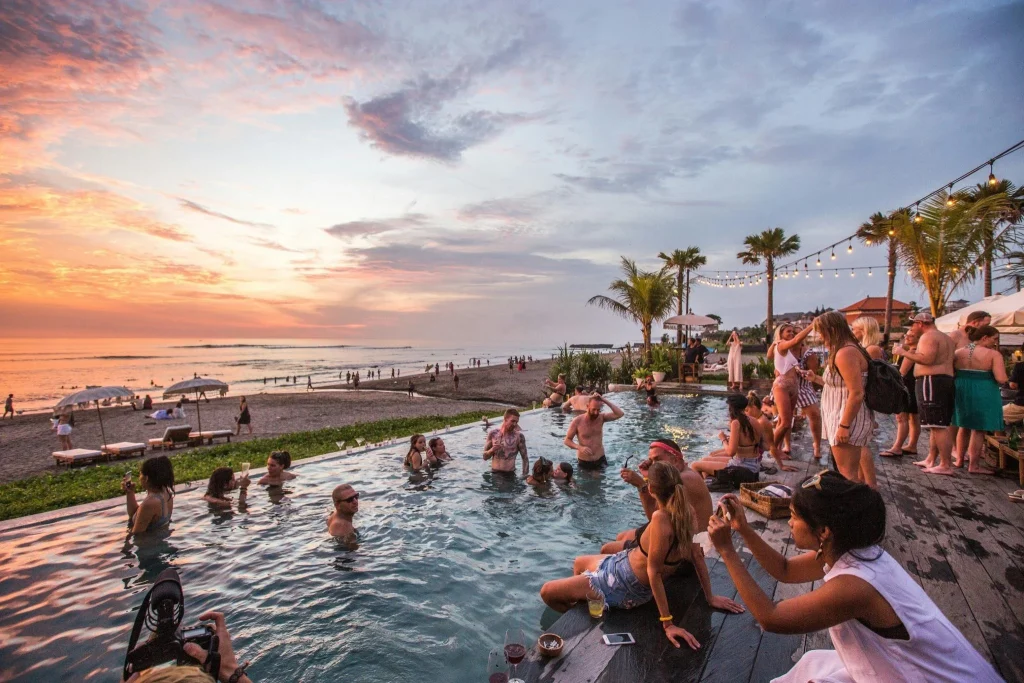
However, it's important to understand that not all areas of the island exhibit the same occupancy rates. The choice of location in Bali has a greater impact on a property's profitability than any other investor decision, as the difference between a unit in an over-hyped area and one in an under-supply zone can be as much as 5–71% of annual returns.
Which areas of Bali are the best for investment in 2026? We compare four locations based on prices per square meter, occupancy rates, and real ROI projections in this detailed review.
Why choosing a location determines your investment returns in Bali
When choosing an investment property, many investors primarily look at the projected ROI, but in practice, it's the location that most often determines the final financial outcome. Two properties with the same price can show completely different returns due to the level of competition, the pace of development, the quality of tourist flow, and the area's development prospects.
It's important to remember: a high projected return doesn't always mean the best investment. Equally important are the property's liquidity, the pace of new supply, professional management, and the development prospects of a particular location.
Changu has the largest volume of transactions, but the most saturated market
Canggu is the area where almost all foreign investors first get acquainted with the Bali market: it accounts for 33.5% of all property sales on the island as of the end of 2025, and also has the highest concentration of rental supply.
Popularity is reflected in price: land in central Canggu costs approximately $530–1560 per m², ready-made premium villas - from $1475 per m², and the median price of a villa in the area is about $471 000.
It is precisely this high liquidity that remains the main advantage of the region:
— The occupancy rate of top-end villas reaches 85%, while the average for the area is around 41% – a gap that directly depends on the quality of property management;
— Average ADR (nightly rate) – $214;
— Median annual income per property – $25 791.
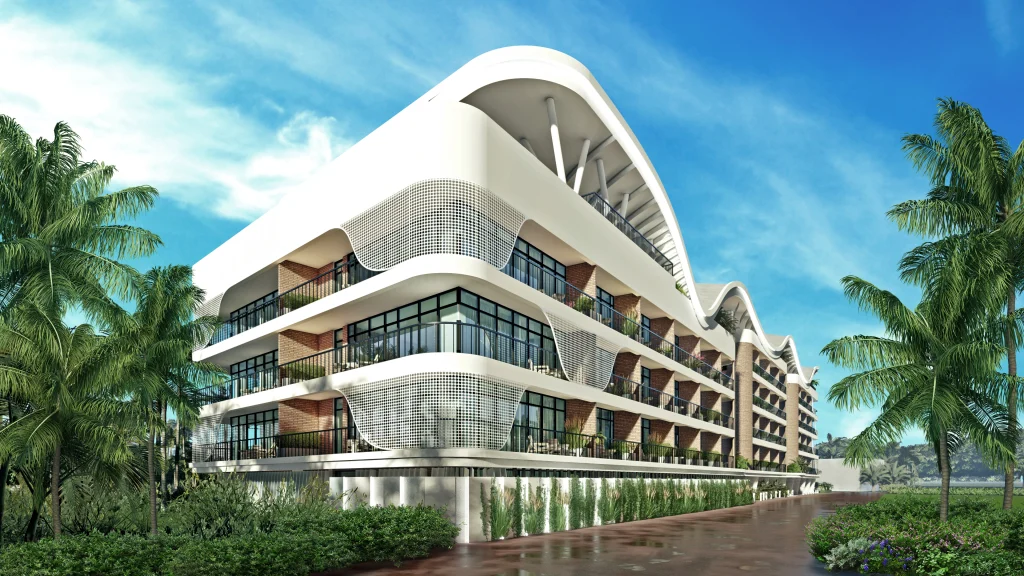
However, by many estimates, the area has already reached market saturation, and new complexes continue to enter the market almost monthly. Therefore, it is increasingly important for investors to evaluate not only the location, but also the project's concept and the management company's experience, as high-quality management helps maintain high occupancy rates even in a highly competitive environment. One example of this approach is ANTA Hotel Bali Canggu under the Radisson Individuals brand, which is being implemented in the Batu Bolong area and combines international standards of hotel service with an investment model for private owners.
Uluwatu – higher capitalization and fastest growth in land values
While Canggu sells liquidity to investors, Uluwatu (Bukit district) offers the opposite logic – a lower entry fee and faster capitalization growth. Land here is worth $310–940 per m², on 30–40% cheaper than a similar plot in Canggu, and the median price of a villa is about $369 000, approximately 20% below the average price in the neighboring area.
This difference in entry price is offset by growth: the projected annual yield in Uluwatu is 11–14%, and ocean-view lots appreciate faster than any other land category on the island. Therefore, the area attracts a different type of investor – those who focus not on rapid rental flow, but on asset appreciation over a 3–5-year horizon.
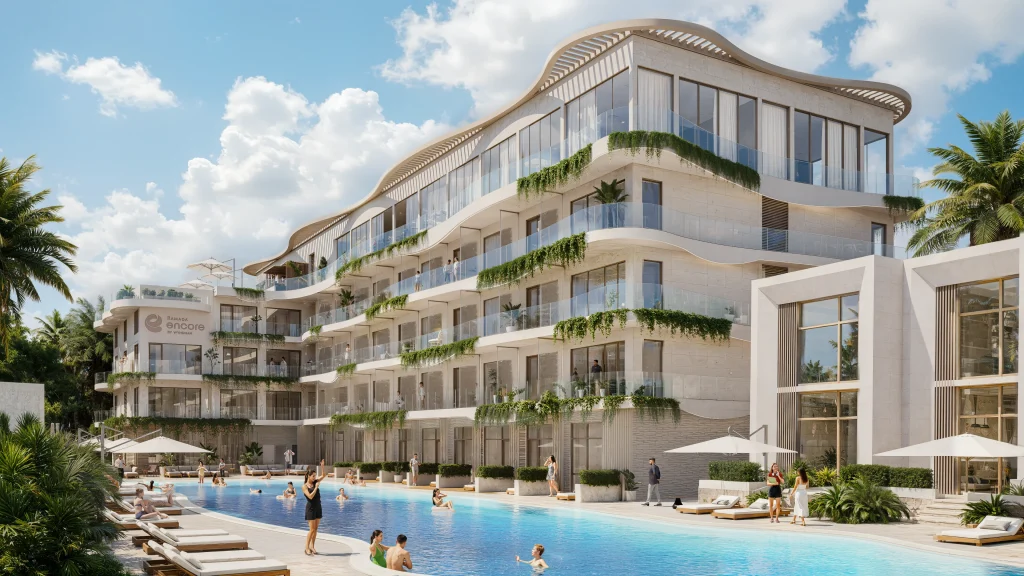
A marker of this transformation is the entry of international hotel operators into the region, transforming the area into a premium destination. An example of such institutional development is the project Ramada Encore by Wyndham Bali Anta Near Pandawa Beach, the combination of hotel rooms and private villas managed by the global brand Wyndham is precisely the format that capitalizes on the location, ensuring a stable tourist flow and high occupancy rates for early-stage investors.
Sanur and Candidasa – stability and lower-risk entry points
Sanur and Chandidasa propose a third scenario: lower volatility in exchange for less aggressive growth.
Sanur
Sanur has historically been considered a "quiet" area for families and long-term residents. However, it is precisely this stability that has recently attracted the attention of institutional investors rather than private buyers: analysts consider the area undervalued, with projected price growth of 5-10% per year and yields for well-chosen properties of 8-12%.
There are several reasons for this interest, and they reinforce each other:

— Developed infrastructure – international clinics, schools, finished embankment;
— A new cruise terminal and ferry service to Nusa Penida, which will increase tourist flow;
— Structural shortage of supply in the 3-4-bedroom villa segment;
— Lower competition than in Canggu or Seminyak, with a comparable level of infrastructure.
What's particularly telling is that at the end of 2024, one major investment operator acquired 3,200 square meters of coastal land next to the Sanur waterfront. Such transactions are not isolated incidents, but rather a sign that big capital has begun to reassess the area's long-term potential.
Candidasa
Candidasa, on Bali's east coast, is at the opposite end of the spectrum. It's the least developed of the four areas under consideration, meaning it has the lowest entry barrier and the quietest market. The downside is the lack of a well-established rental infrastructure comparable to Canggu or Uluwatu: investors will have to rely more on growth potential than on existing rental flows.
This is why new-generation projects here are focusing on wellness and long-stay formats—the longer occupancy cycle partially compensates for the lack of mass short-term demand. The projected net yield of such projects is 12–15%, a higher range than in mature locations, but with the standard risks of an early-stage development: lower resale liquidity and a less predictable tenant flow.
Investors often enter such areas at an early stage of market development, when entry costs are still relatively low. With the right project, this allows for not only rental income but also significant asset value growth once the tourism infrastructure is fully developed.
Which areas of Bali have the highest returns?
To put all four locations into a single picture, it's worth looking at them not individually, but through the lens of one question: what's more important to you personally—rental flow today or asset value growth over the next few years?
| District | Land price per m² | Gross profitability | Occupancy rate | Investor profile |
| Changu | $530–1560 | 12–18% | 41% (top objects – up to 85%) | Liquidity, rental flow |
| Uluwatu | $310–940 | 11–14% | 70–85% in the premium segment | Asset value increase |
| Sanur | moderate, lower than in Canggu | 8–12% | Stable, without peak fluctuations | Low volatility, long-term income |
| Candidasa | the lowest among the four | 12–15% (for projects under construction) | The market is still being formed | Early entry, higher risk and potential |
What to Check Before Buying Property in Bali: A Checklist for Investors
No matter what neighborhood you're considering, it's worth going through the same checklist before making a decision:
— Compare not gross, but net profitability – after management, taxes and downtime;
— Check the legal structure (leasehold, Hak Pakai, PT PMA) before signing any documents;
— Evaluate not only the current occupancy rate, but also the volume of new supply in the area – oversaturation reduces ADR faster than demand grows;
— Consider who will be managing the facility: independent management significantly reduces net profitability compared to a professional operator.
ANTA Group Portfolio covers a variety of investment strategies, from hotel complexes in popular areas of Bali to new projects in eastern Indonesia designed for long-term asset growth.
Want to understand which area best suits your budget and investment strategy? Request a personalized financial model from ANTA Group. Our specialists will prepare a customized calculation of the projected ROI, installment plan, and expected payback period, and help you compare multiple projects.